Divine Library is a free online public library that includes free eBook downloads and free audio books.

We work with New Thought Seekers and Sharers around the world insuring that all New Thought Texts in the Public Domain are available for you to read on the web for free, forever!

"Unlike so many, we do not peddle the word of God for profit."
~ 2 Corinthians 2:17

Navigate through this book by clicking Next Page or Previous Page below the text of the page & jump directly to chapters using the chapter numbers above the text.

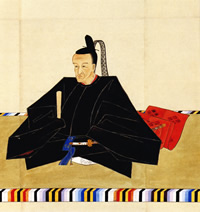
Tokugawa Ieyoshi was the 12th shogun of the Tokugawa shogunate of Japan.

Serving New Thought is pleased to present

Yoritomo-Tashi's

Common Sense How to Exercise It

"Evolution is better than Revolution. New Thought Library's New Thought Archives encompass a full range of New Thought media from Abrahamic to Vedic reflecting the ongoing evolution of human thought. New Thought's unique inclusion of science, art and philosophy contrasts with 'old thought' Religion. Today's 'New Thought 3.0' teaches personal responsibility, self-development, human rights and compassionate action as essential spiritual paradigms." ~ Avalon de Rossett

Your PayPal contributions insure this gift lasts forever. Please consider an ongoing PayPal subscription.


Announcement - Preface - Common Sense: What Is It? - The Fight Against Illusion - The Development of the Reasoning Power - Common Sense and Impulse - The Dangers of Sentimentality - The Utility of Common Sense in Daily Life - Power of Deduction - How to Acquire Common Sense - Common Sense and Action - The Most Thorough Business Man - Common Sense and Self-Control - Common Sense Does Not Exclude Great Aspirations - Contents -


"Later, he declared to Lang-Ho that his protege had no talent at all, and reprimanded him severely for having sent the poet to the palace.

"But my master did not like to be thus criticized.

"So, a little while after that, one day, when that same prince was in an agreeable frame of mind, Lang-Ho invited him to the reading of one of his works.

"The nobleman declared that he had never heard anything more beautiful.

"'That is true,' said Lang-Ho, 'but you ought to have said this the first time you heard it.'

"And he revealed to the prince that these verses were those of the young man whom he had judged so harshly."

From this story two lessons may be drawn:

The first is, that if common sense indicates that judgment should not change from scorn to enthusiasm, when it is a question of the same object, practical sense insists that one should be certain of impartiality of judgment, by avoiding the influence of questions which relate to environment and surrounding circumstances.

The second concerns opportunity.

page scan

139


PREVIOUS PAGE - NEXT PAGE

Support New Thought Library so that we can continue our work 
of putting all public domain New Thought texts at your fingertips for free!